


By Anil Anwar, Heartmenders Magazine Contributor, Asia
From its bustling seaports and diverse communities to its thriving markets, rich history, and world-famous cuisine, Karachi offers visitors and entrepreneurs a fascinating glimpse into one of South Asia’s most dynamic metropolitan cities.
Karachi, the capital of Pakistan’s Sindh Province, is the country’s largest city and its principal financial, commercial, and maritime center. Located along the Arabian Sea, it serves as Pakistan’s primary gateway for international trade through the Port of Karachi and Port Qasim, two of the nation’s busiest seaports.
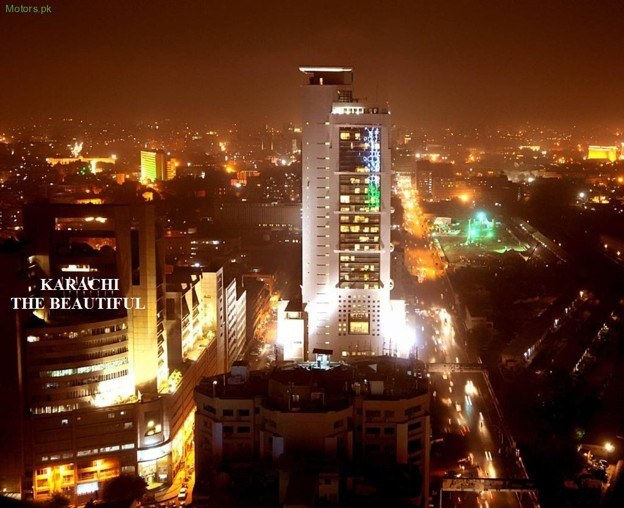
Often called the “City of Lights,” Karachi earned this nickname because of its vibrant nightlife, bustling commercial districts, and the fact that much of the city remains active around the clock. Its energy, diversity, and entrepreneurial spirit have made it one of South Asia’s most dynamic metropolitan areas.
Today, Karachi’s metropolitan population is estimated at more than 20 million people, making it one of the world’s largest urban areas. The city continues to expand rapidly as people from across Pakistan relocate in search of employment, education, and business opportunities.

Karachi ranked sixth most affordable city of the world – Report by The Express Tribune
Karachi is widely recognized as the financial capital of Pakistan. It is home to the Pakistan Stock Exchange, the headquarters of many of the country’s largest banks and corporations, and thriving industries that include textiles, manufacturing, shipping, logistics, pharmaceuticals, information technology, media, advertising, finance, and real estate. The city’s economic activity accounts for a significant share of Pakistan’s national GDP.
The city also plays an important role in education and research. Karachi is home to numerous respected universities, colleges, medical schools, engineering institutions, and research centers that attract students from throughout Pakistan and abroad.
Historically, Karachi served as Pakistan’s first capital after the country’s independence in 1947. In the early 1960s, the federal capital was moved to Islamabad as part of a broader national development strategy. Nevertheless, Karachi has remained Pakistan’s economic engine and its largest metropolitan city.
Following the partition of British India in 1947, Karachi experienced extraordinary population growth as hundreds of thousands of Muslim refugees (Muhajirs) migrated from India and settled in the city. Since then, Karachi has continued to attract migrants from every province of Pakistan, creating one of the country’s most ethnically, linguistically, and culturally diverse populations.
Karachi is a multicultural metropolis where people of many ethnic and religious backgrounds live and work together. While most residents are Muslims, the city is also home to Christian, Hindu, Sikh, Parsi, Baháʼí, and other minority communities that contribute to its rich cultural heritage. Reliable recent estimates do not support fixed percentages such as those previously reported, and demographic proportions continue to change over time.
The city is also closely associated with Muhammad Ali Jinnah, the founder of Pakistan. Born in Karachi, Jinnah is buried there at the magnificent Mazar-e-Quaid mausoleum, one of the country’s most important national landmarks. The city takes great pride in its connection to Pakistan’s founding father.
Beyond commerce and industry, Karachi offers visitors an impressive blend of history, culture, architecture, beaches, museums, parks, and some of Pakistan’s most celebrated food. From Clifton Beach and the historic Saddar district to modern shopping centers and bustling night markets, Karachi provides experiences that reflect both its colonial past and its modern ambitions.
Economically, Karachi remains one of South Asia’s most important urban centers. Although estimates vary depending on the methodology used, economists consistently rank it among the region’s largest metropolitan economies, and it continues to drive a substantial portion of Pakistan’s industrial production, exports, tax revenue, and financial services.

Phoebettmh Travel: (Pakistan) – Karachi – The City of Bright Lights
Despite facing challenges common to many rapidly growing megacities, including traffic congestion, infrastructure demands, environmental concerns, and urban planning, Karachi continues to evolve. Ongoing investments in transportation, digital infrastructure, and commercial development are helping strengthen its position as Pakistan’s leading economic hub.
For millions of residents and visitors alike, Karachi remains a city of opportunity, resilience, and remarkable diversity—a place where tradition meets modernity and where the lights of commerce, culture, and ambition continue to shine.
Businesses, organizations, or individuals that want to collaborate with Heartmenders Magazine can email us. And thinking about visiting Asia, Africa, or the United States? Heartmenders Magazine can offer you help. We can provide you with free information if you email your concern to us at heartmendersfoundation@yahoo.com.

Anil Anwar resides in Karachi, Pakistan. He holds a B.Sc. from Shah Abdul Latif University, Khairpur, Pakistan. He was one of the contributors who supported Heartmenders Magazine at its 2014 founding. Contact him at anil.anwar@aol.com.