


By Reinhard Fitz Amankwah for Heartmenders Magazine, Contributor, Africa –
Ghana is one of the African countries that celebrates the International Day of Seafarers. Seafarers contribute a lot to the economy of every nation with access to the sea. There is much potential to explore and develop. That is why grassroots development matters. This includes training, modernizing infrastructure, and strengthening safety protocols to protect and advance the sector. Training, from university education to certifications, and resource centers that provide updated information and other necessary resources will keep seafarers safe and operating optimally to compete with the world’s most advanced maritime infrastructure. The maritime industry is vital because global trade depends on it for volume. It connects many stakeholders and even countries in the international supply chain. Exports and imports, the fishing industry, oil and gas, shipping, etc., are among the reasons the maritime economy contributes billions of dollars to Ghana’s GDP. This economy holds huge potential for Ghana, and Ghana’s location along the Gulf of Guinea also provides opportunities for coastal tourism. Those who work on the sea for Ghana deserve respect for their dedication and professionalism, and for keeping Ghana’s maritime sector running through their discipline and policy execution. They need more support to deliver and put more in Ghana’s pockets. Ghana has two main deep-water ports in Takoradi and Tema, with smaller ports in Sekondi, Accra, Elmina, and Saltpond.
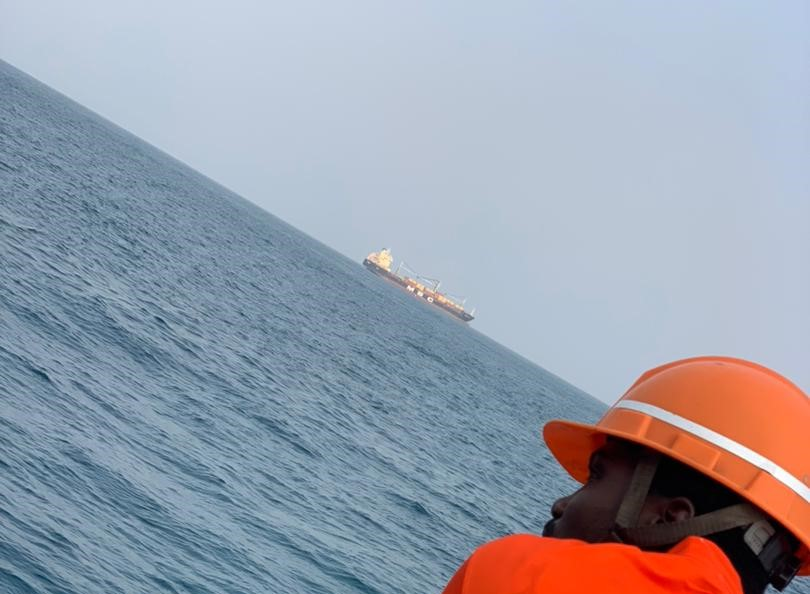
Ship at Takoradi anchorage. Video by Reinhard Fitz Amankwah for Heartmenders Magazine. All rights reserved.
Ghana is the second most populous country in West Africa and has rare metals. It also borders the Atlantic Ocean to the south. Ghana dreams of achieving developed-country status in the near future, and developing the maritime industry can help fast-track that vision. Developing local fishing among these ports and developing maritime transportation to haul goods and produce.
ad

Ghanaian seafarers do a lot, especially when employed through agencies, facing a tough life at sea and challenges with other nationalities. Despite these challenges, Ghanaian seafarers operate commercial vessels that bring in and ship out goods, supporting Ghana’s international trade and providing jobs for the broader Ghanaian population. Ghanaian maritime professionals are competitive in the international maritime labor market.
Editor’s Note: This piece was updated from its original publication a few years ago.

Reinhard Fitz Amankwah is a graduate of the prestigious Regional Maritime University of Ghana, a merchant mariner (Marine engineer), and travels for a living. He also loves writing and creating music behind the scenes. Beyond his seafaring career, he is a seasoned entrepreneur and a mastermind making a difference in his world. You can reach him at rein.fitz1@gmail.com.